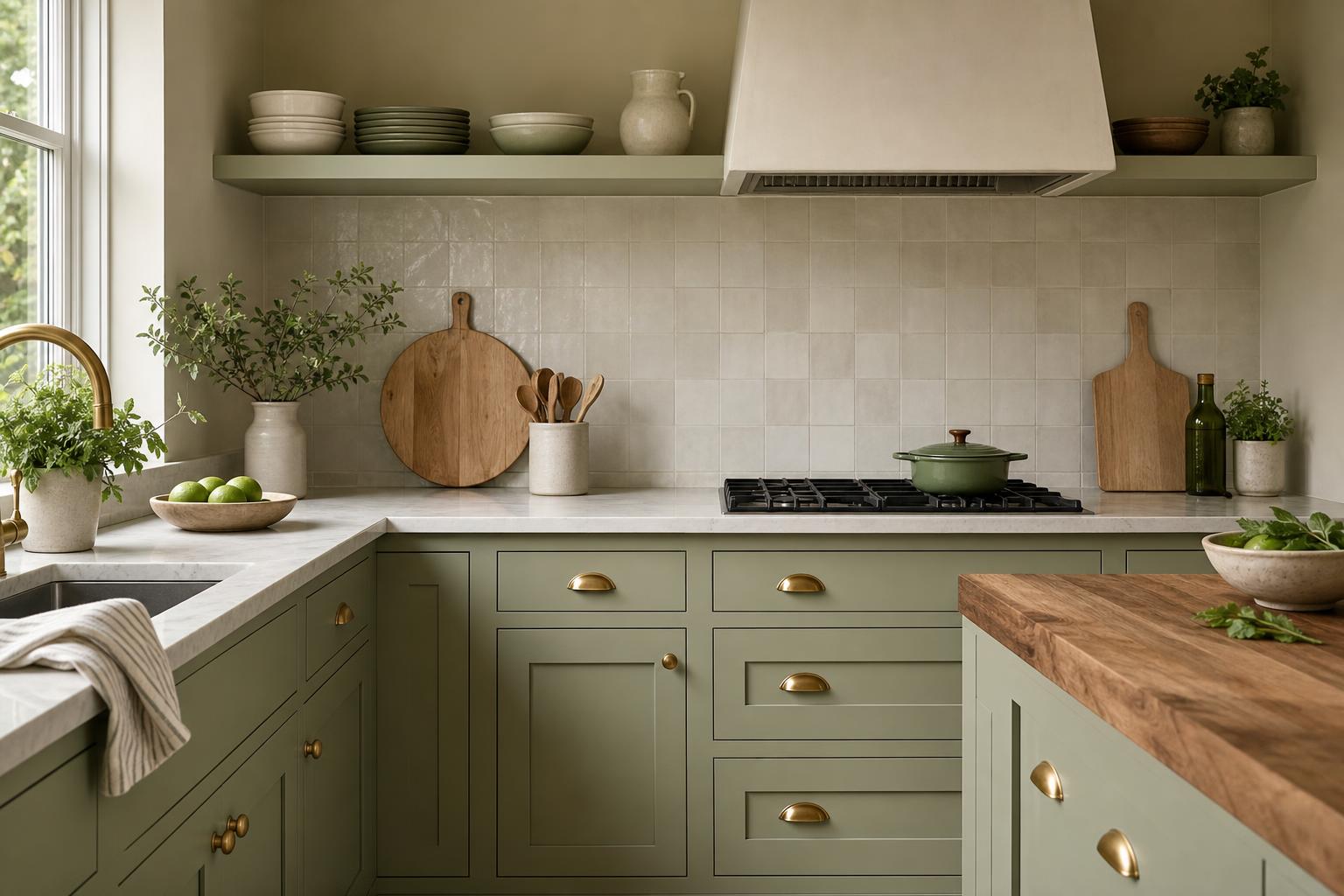
A well-stocked kitchen can be the difference between a three-star review and a glowing five-star mention that drives future bookings. Guests consistently rank kitchen amenities among their top priorities, yet many new hosts struggle to determine exactly what items deserve precious cabinet space and which ones just collect dust. This guide breaks down the specific tools, appliances, and consumables that guests actually use, organized by priority level so you can stock your Airbnb kitchen strategically without overspending or creating clutter.
The reality is that kitchen complaints appear in roughly 15 to 20 percent of negative reviews, making this area one of the highest-impact investments you can make in your property. When guests arrive hungry after a long journey and discover they cannot even brew coffee or prepare a simple meal, their disappointment colors their entire stay. By following a systematic approach to kitchen setup, you ensure guests have what they need while building the foundation for consistently excellent reviews that boost your listing's visibility and booking rate.
Why Kitchen Setup Drives Reviews
Kitchen quality directly influences guest satisfaction scores because cooking and meal preparation touch every single day of a guest's stay. Unlike amenities that guests might use once or never, the kitchen becomes a functional hub where families gather for breakfast, couples prepare romantic dinners, and business travelers heat up takeout after long meetings. When this essential space falls short of expectations, guests notice immediately and remember throughout their visit.
The guest satisfaction connection
Research consistently shows that kitchen amenities receive mentions in positive reviews three times more often than other property features, highlighting just how much guests value this space. A thoughtfully equipped kitchen signals to guests that you care about their comfort and have anticipated their needs. This attention to detail creates a halo effect, where guests assume other aspects of your property will be equally well-considered. Conversely, a poorly stocked kitchen raises doubts about your hosting standards and makes guests hyper-aware of other potential shortcomings.
Understanding what guests truly expect from their host means recognizing that kitchen functionality ranks alongside clean linens and reliable WiFi as a non-negotiable baseline expectation. Guests book properties with kitchens specifically to save money on dining out, accommodate dietary restrictions, or enjoy the comfort of home-cooked meals while traveling. When your kitchen delivers on these expectations, you earn enthusiastic recommendations and repeat bookings.
Most common kitchen complaints
The majority of kitchen-related complaints center on missing basics rather than luxury items. Guests report frustration when they cannot find a working can opener, sharp knife, cutting board, or coffee filters. These seemingly small oversights create disproportionate annoyance because they prevent guests from completing simple tasks they took for granted. Other frequent complaints include insufficient cookware for preparing actual meals, broken or missing appliance components, inadequate counter space due to clutter, and cleaning supplies that have run out.
Many hosts stock decorative items or specialty gadgets while overlooking the everyday essentials guests actually need. A pasta maker might seem impressive, but it cannot compensate for the absence of a basic pot large enough to boil water. Similarly, guests care far more about having a reliable corkscrew and bottle opener than fancy wine accessories they will never use. Prioritizing function over form ensures your kitchen meets genuine guest needs rather than staging aesthetic appeal.
Impact on booking rate and revenue
Properties with well-equipped kitchens command higher nightly rates and achieve better occupancy because they attract a broader range of guests. Families with children specifically search for properties where they can prepare meals, while health-conscious travelers and guests with allergies need cooking facilities to maintain their dietary requirements. A functional kitchen transforms your property from a simple place to sleep into a genuine home away from home, justifying premium pricing and encouraging longer stays.
Negative reviews mentioning kitchen deficiencies create lasting damage to your booking potential because they appear prominently in your listing's review summary and lower your overall rating. Even a single one-star review citing missing kitchen basics can deter dozens of potential bookings, particularly from high-value guests who read reviews carefully before making reservations. Investing in proper kitchen setup protects your revenue stream by preventing these damaging reviews before they occur.
The Three-Tier Stocking System
The most efficient approach to kitchen setup involves organizing items into three distinct priority tiers, allowing you to stock strategically based on your budget and property type. This system ensures you cover absolute necessities first while adding value-enhancing extras only after the foundation is solid, preventing both overspending and critical gaps in your amenity offerings.
Tier 1: Absolute essentials
Tier one items represent the bare minimum guests expect in any property that advertises kitchen facilities, and missing even one of these basics will likely result in complaints. This category includes a working coffee maker with filters, a set of sharp knives (chef's knife, paring knife, serrated bread knife), cutting boards (separate ones for produce and meat), a can opener, bottle opener, and corkscrew. You also need basic pots and pans (small and large saucepan, large skillet), mixing bowls, measuring cups and spoons, a colander, and essential utensils including wooden spoons, spatula, ladle, and tongs.
Complete your tier one setup with dishes, glassware, and flatware for the maximum occupancy plus two extra sets to account for items in the dishwasher. Include coffee mugs, water glasses, wine glasses, dinner plates, salad plates, and bowls. Essential appliances at this level include a microwave, toaster or toaster oven, and refrigerator with adequate freezer space. Finally, stock dish soap, sponges, dish towels, paper towels, trash bags, and all-purpose cleaner so guests can maintain basic kitchen hygiene.
Want guests to find everything easily? Create a digital guide that includes your complete kitchen inventory with photos showing exactly where items are stored.
Start for freeTier 2: Cooking and meal prep tools
Tier two items elevate your kitchen from functional to genuinely useful, enabling guests to prepare more complex meals and handle diverse cooking tasks. Add a baking sheet, casserole dish, and muffin tin for guests who want to roast vegetables or bake. Include a whisk, vegetable peeler, grater, kitchen scissors, and meat thermometer for proper meal preparation. A salad spinner, storage containers with lids, and plastic wrap or aluminum foil give guests options for saving leftovers.
Enhance your appliance collection with a blender for smoothies and sauces, an electric kettle for quick hot water, and a slow cooker or instant pot if your property targets longer-term stays. These mid-tier additions significantly expand what guests can accomplish in your kitchen without requiring major financial investment or storage space. Consider your typical guest demographic when selecting tier two items, as families benefit most from bakeware while business travelers appreciate quick-cooking appliances.
Tier 3: Thoughtful extras that earn mentions
Tier three consists of delightful surprises that transform good reviews into enthusiastic recommendations filled with specific praise. Items in this category include a French press or pour-over coffee setup for coffee enthusiasts, a selection of spices and cooking oils (olive oil, salt, pepper, basics), a spice rack, kitchen scale for precise baking, a stand mixer or hand mixer, and specialized tools like a garlic press or avocado slicer that make specific tasks easier.
Other welcome extras include wine glasses specifically designed for red and white wines, cocktail shaker and bar tools, recipe books featuring local cuisine, reusable shopping bags, and a well-organized drawer of takeout menus from nearby restaurants. These touches show you have gone beyond minimum requirements to create a truly hospitable experience, often earning specific mentions in reviews that help your listing stand out from competitors with generic kitchen setups.
Complete Airbnb Kitchen Checklist
Organizing your kitchen items by category ensures you have not overlooked any essentials within each functional area, making it easier to inventory what you have and identify gaps that need filling.
Cookware and bakeware
Stock one small saucepan (one to two quarts), one large saucepan (three to four quarts), one large skillet or frying pan (ten to twelve inches), one baking sheet, one nine-by-thirteen-inch casserole or baking dish, and one muffin tin if space permits. Choose non-stick or stainless steel options that work on all cooktop types including induction if your property has that feature. Ensure all items have lids where appropriate and are in good condition without scratches, warping, or damaged non-stick coatings that could raise health concerns.
Utensils and gadgets
Your utensil collection should include wooden spoons, a slotted spoon, a solid serving spoon, a ladle, spatulas (both rigid for flipping and flexible for scraping), tongs, a whisk, a vegetable peeler, a box grater, kitchen scissors, and a meat thermometer. Add a can opener, bottle opener, and corkscrew as absolute priorities since guests need these for basic tasks. Include measuring cups (dry and liquid) and measuring spoons in standard sizes, plus at least two cutting boards in different sizes or materials to accommodate various food prep needs.
Dishes, glassware, and flatware
Provide dinner plates, salad or dessert plates, and bowls sufficient for your maximum occupancy plus two extra place settings. Match this quantity with forks, knives, spoons, and teaspoons in durable materials that withstand frequent dishwasher cycles. For glassware, stock water glasses, coffee mugs, and wine glasses in quantities matching your plate count. Consider the practicality of your selections, choosing chip-resistant dishes and glasses that stack efficiently rather than delicate or oddly shaped items that break easily or waste cabinet space.
Appliances guests expect
Standard appliances include a refrigerator with functional freezer, stove or cooktop with oven, microwave, dishwasher (if space permits), and coffee maker. The coffee maker deserves special attention because coffee-making capability appears on nearly every guest's must-have list. Choose between a standard drip coffee maker, single-serve pod system, or French press based on your guest demographic, and always stock appropriate filters, pods, or supplies. An electric kettle provides quick hot water for tea, instant meals, and various cooking tasks, while a toaster or toaster oven handles breakfast needs that guests mention frequently in reviews.
Consumables and cleaning supplies
Keep dish soap, dishwasher detergent (if applicable), hand soap, sponges or dish brushes, dish towels, paper towels, trash bags, and all-purpose cleaner constantly stocked. Create a system for checking and replenishing these items between guests as part of your standard turnover checklist. Consider providing starter supplies of coffee, tea, sugar, salt, pepper, and cooking oil as thoughtful touches that guests genuinely appreciate, particularly those arriving late or on weekends when stores may be closed.
Helping Guests Find What They Need
Even the most comprehensively stocked kitchen loses value when guests cannot locate items quickly, leading to frustration and unnecessary messages asking where you keep basic supplies.
Label drawers and cabinets clearly
Simple adhesive labels or small signs identifying drawer and cabinet contents eliminate guest confusion and reduce time spent searching for items. Label categories rather than individual items, using descriptions like "Pots and Pans," "Baking Supplies," "Coffee and Tea," and "Cleaning Supplies." This organizational system also helps your cleaning team maintain consistency between turnovers, ensuring items return to their designated locations rather than migrating to random cabinets over time.
Create a kitchen reference card
Design a laminated reference card that lives on the kitchen counter or attached to the refrigerator, listing where guests can find commonly needed items and how to operate appliances with unusual features. Include brief instructions for the coffee maker, dishwasher settings, oven temperature quirks, and garbage disposal operation if applicable. This proactive communication prevents guests from breaking appliances through incorrect use while demonstrating your commitment to their convenience.
Add kitchen details to your digital guidebook
Include a dedicated kitchen section in your property's digital guide, complete with photos showing cabinet organization, appliance locations, and where you store less obvious items like extra trash bags or cleaning supplies. This visual reference proves especially valuable for guests who arrive tired and simply want to make dinner without conducting a scavenger hunt. Update this section whenever you reorganize or add new items so the information remains accurate and helpful.
Conclusion
A thoughtfully equipped kitchen represents one of the highest-return investments you can make in your short-term rental property because it directly impacts guest satisfaction, review quality, and your ability to command premium rates. By following the three-tier stocking system and ensuring you have covered all essential categories, you create a functional space that meets genuine guest needs rather than just looking impressive in listing photos. Remember that missing even one critical basic item like a can opener or coffee filters can overshadow dozens of thoughtful extras, so prioritize completeness over luxury when building your initial kitchen setup.
The effort you invest in organizing, labeling, and documenting your kitchen pays dividends through reduced guest questions, fewer negative reviews, and increased bookings from travelers who specifically seek well-equipped properties. Guests notice when hosts have genuinely considered their needs, and kitchen quality serves as a reliable proxy for overall hosting quality in their minds. Regular inventory checks and prompt replacement of worn or broken items maintain the high standards that earn enthusiastic recommendations.
Ready to create a comprehensive guide that showcases your perfectly stocked kitchen and helps guests find everything they need? Build your digital guest guide today and give visitors instant access to kitchen details, appliance instructions, and local dining recommendations all in one convenient place.