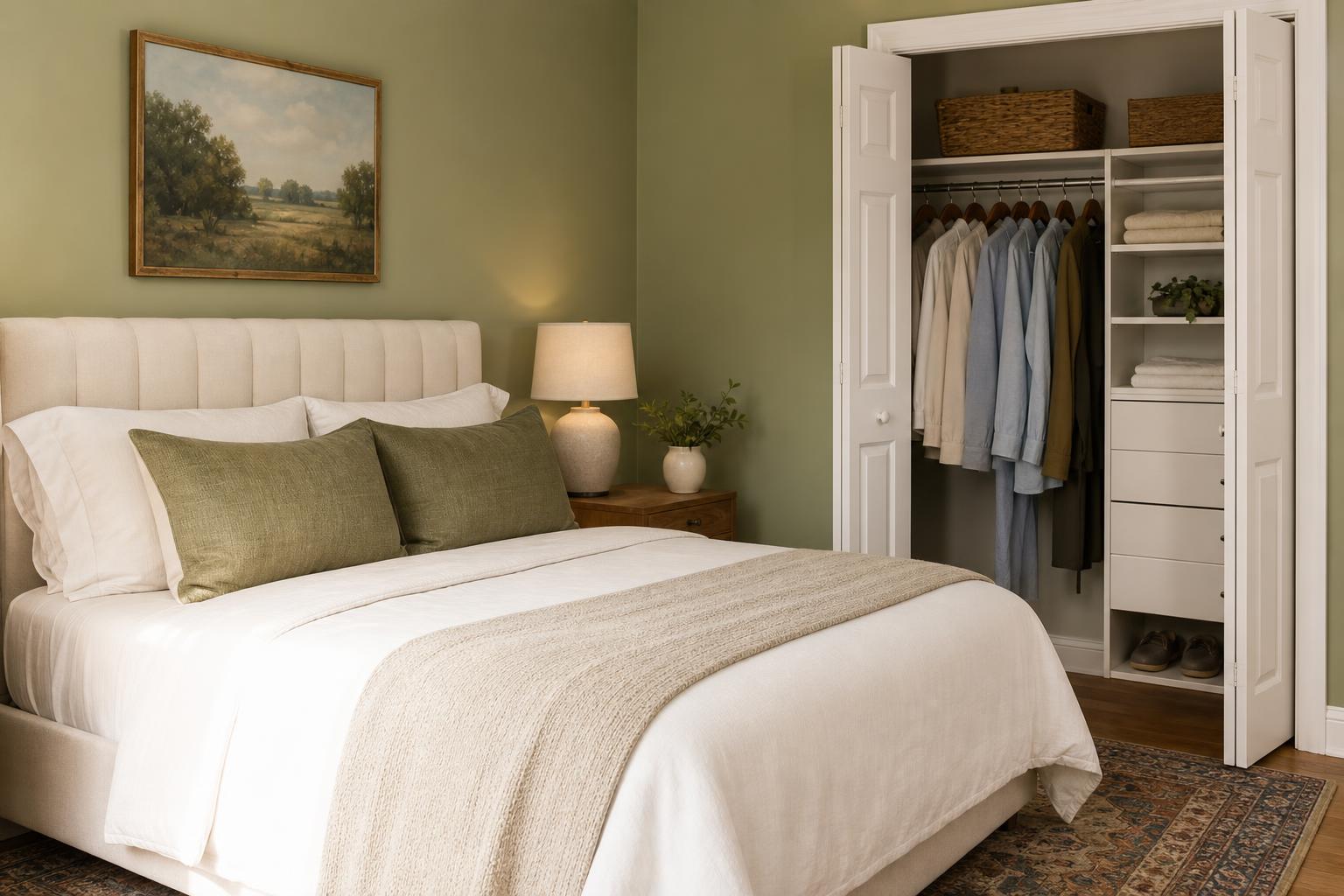
A well-designed bedroom can make the difference between a five-star review and a forgettable stay. Guests spend nearly half their time in short-term rentals sleeping, so the bedroom setup directly impacts their comfort, satisfaction, and willingness to recommend your property. This comprehensive checklist walks you through every detail that transforms a basic bedroom into a sleep sanctuary your guests will remember.
From mattress protectors to charging stations, the bedroom requires more thoughtful preparation than most hosts realize. Understanding what Airbnb guests expect helps you prioritize the essentials that earn positive reviews. Many new hosts focus on decorative touches while overlooking functional necessities like adequate outlets or proper pillow variety. The following sections address both comfort fundamentals and modern conveniences that guests now consider standard.
Your bedroom setup should accommodate different guest preferences, sleep habits, and device needs without requiring them to ask for anything. This checklist ensures you cover every base before your first booking.
Essential Bedding and Mattress Setup
The foundation of any quality bedroom setup starts with a supportive mattress protected by waterproof covers and layered with breathable, high-thread-count linens. Every element of your bedding stack should prioritize both guest comfort and property protection, creating a hotel-quality experience that guests mention in reviews.
Mattress Quality and Protection Standards
Invest in medium-firm mattresses rated for eight to ten years of lifespan, as budget mattresses sag quickly under rotating guest use. A quality mattress costs between $600 and $1,200 for a queen size, but this investment pays for itself through better reviews and reduced replacement frequency. Always use waterproof mattress protectors with breathable fabric tops that guests won't feel through the sheets. These protectors defend against spills, accidents, and general wear while remaining comfortable enough that guests never know they're there.
Memory foam toppers add an extra comfort layer for older mattresses, but they trap heat in warm climates. Consider gel-infused versions or skip toppers entirely in summer destinations. Check mattress condition every quarter and rotate them regularly to extend their lifespan. Replace any mattress showing visible sagging, staining through protectors, or guest complaints about discomfort.
Sheet Thread Count and Material Guidelines
Choose sheets between 300 and 500 thread count, as this range balances durability with softness for commercial laundering. Higher thread counts feel luxurious initially but pill faster under frequent washing. Cotton percale offers crisp coolness for warm climates, while sateen weaves provide silky warmth for cooler locations. Stock three complete sheet sets per bed so you always have backup options during turnover rushes.
White or light neutral sheets remain the hospitality standard because they look fresh, bleach easily, and match any decor changes. Avoid patterns or dark colors that show fading and make stain assessment difficult. Pre-wash all linens twice before guest use to remove manufacturing chemicals and maximize softness.
Pillow Variety and Quantity Requirements
Provide at least four pillows per queen bed and six for king beds, mixing firm and soft options to accommodate different sleep positions. Side sleepers need firm support, back sleepers prefer medium density, and stomach sleepers want soft, flat pillows. Include at least one hypoallergenic option clearly labeled in your digital guest guide for guests with sensitivities.
Store extra pillows in breathable cotton bags inside bedroom closets with clear labels indicating firmness levels. Replace pillows showing any yellowing, loss of shape, or odor absorption. Budget-friendly yet quality options include down-alternative fills that maintain shape through repeated washing better than pure down in rental settings.
Blanket Layering for Year-Round Comfort
Create a layering system with lightweight cotton blankets, medium-weight quilts, and heavier comforters stored accessibly so guests adjust to personal preference. Keep the bed made with moderate bedding suitable for average temperatures, then provide clear instructions about additional blankets in closets or under-bed storage. This approach prevents half your guests from being too hot while the other half freezes.
Duvet covers with corner ties keep comforters in place and launder more easily than traditional bedspreads. Choose machine-washable comforters rated for commercial laundering to avoid expensive dry-cleaning bills. Replace any bedding with tears, permanent stains, or persistent odors immediately, as guests notice bedding quality more than almost any other detail.
Want to organize all these bedroom details for your guests? Create a comprehensive digital guide that helps guests find extra bedding, understand climate controls, and access everything they need for a comfortable stay.
Start for freeOutlets, Charging, and Device Access
Modern guests travel with multiple devices that need nightly charging, making convenient outlet access a non-negotiable bedroom feature. Strategic outlet placement and charging solutions prevent guests from unplugging your alarm clock or lamp just to charge their phones overnight.
Bedside Outlet Placement and USB Options
Each side of the bed needs accessible power within arm's reach, ideally at nightstand height or slightly below. If built-in outlets aren't positioned correctly, install outlet strips mounted to nightstand backs or walls near the bed. Choose outlet strips with both standard plugs and built-in USB ports, as this combination accommodates phones, tablets, smartwatches, and other devices simultaneously.
Test outlet accessibility from a lying position in bed to ensure guests can actually reach them comfortably. Label any switches controlling bedside outlets so guests don't accidentally kill power to their charging devices overnight. Replace any loose outlets or worn strips immediately, as electrical issues create serious safety concerns and terrible reviews.
Extension Cord Solutions for Older Properties
Older homes often lack adequate bedroom outlets, requiring thoughtful extension cord placement to bridge the gap. Use heavy-duty cords rated for permanent installation rather than lightweight household versions that overheat. Run cords along baseboards or behind furniture, securing them with cable clips to prevent tripping hazards. Never run cords under rugs or across walkways where they create safety issues.
Surge-protecting power strips serve double duty by protecting your property's electronics while providing guest charging capacity. Place at least one six-outlet strip near the dresser or desk area for luggage-based device charging separate from bedside options.
Nightstand Charging Station Setup
Dedicate one small area of each nightstand as an official charging zone, keeping it clear of decorative items that force guests to move things around. A small tray or dish corrals charging devices and prevents them from sliding off smooth surfaces. Include at least one universal charging cable (USB-A to USB-C) as an emergency backup since guests inevitably forget their own.
Wall-mounted phone holders near outlets give guests a place to prop devices while charging without occupying nightstand surface area. These inexpensive additions show attention to detail that guests mention positively in reviews.
Cable Management and Guest Convenience
Velcro cable ties keep extra charging cables organized in nightstand drawers rather than tangled messes. Label any provided cables clearly so guests know they're available for use. Remove all personal chargers and cables to avoid confusion about what guests can use versus what belongs to you.
Consider adding a small label near outlet clusters explaining what each outlet or switch controls. This simple addition prevents guests from accidentally turning off bedside lamps when they meant to control overhead lighting, a common frustration in unfamiliar spaces.
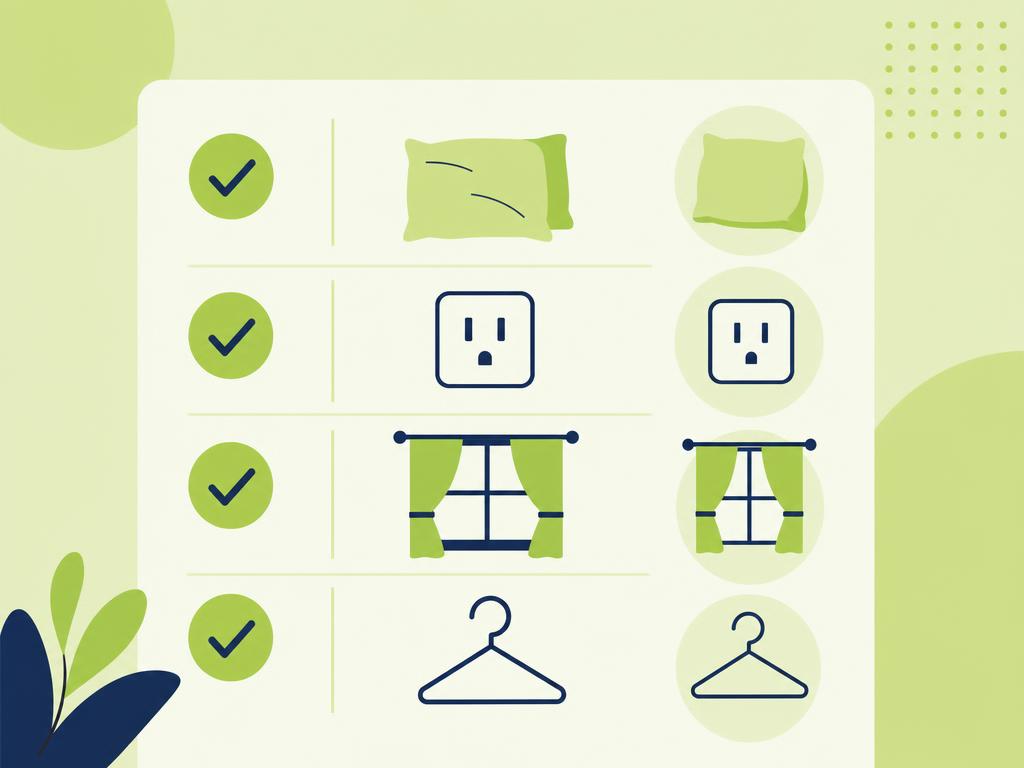
Lighting, Climate, and Sleep Environment
The bedroom lighting and temperature directly affect sleep quality, yet many hosts overlook these critical environmental factors. A properly designed sleep environment includes layered lighting options, effective window treatments, and climate control that guests can adjust to personal preference without complicated instructions.
Blackout Window Treatment Requirements
Install blackout curtains or cellular shades in every bedroom, as light pollution from streetlights or early sunrise ruins sleep for many guests. True blackout materials block 95% or more of outside light, creating the dark environment most people need for quality rest. Ensure curtains extend beyond window frames and mount close to walls to prevent light leaks around edges.
Layer blackout options behind decorative curtains if you want aesthetic appeal during daytime. Test blackout effectiveness personally by sleeping in the room, as product descriptions often exaggerate light-blocking capabilities. Additionally, your setup should work just as well as the bathroom essentials checklist you follow for other spaces.
Multi-Level Lighting Setup Guide
Provide at least three lighting levels: bright overhead for cleaning and packing, medium bedside reading lights, and subtle night lighting for safe nighttime movement. Bedside lamps should include three-way bulbs or dimmers allowing guests to adjust brightness without getting out of bed. Touch-control lamps eliminate fumbling for tiny switches in the dark.
Add motion-activated night lights in hallways between bedrooms and bathrooms so guests navigate safely at night without turning on bright overhead lights. These small additions dramatically improve the guest experience for those with young children or frequent nighttime needs.
Temperature Control and Fan Placement
Individual room temperature control gives guests power over their comfort, but central systems often make this impossible. Provide at least one quiet fan per bedroom with remote control or easy-reach settings. Position fans to circulate air without blowing directly on the bed, which disturbs sleep for many people. Ceiling fans work well if they include reverse settings for year-round use, but ensure they're balanced and whisper-quiet at medium speeds.
Leave thermostats accessible rather than hidden behind locked covers, trusting guests to make reasonable adjustments. Include clear instructions about optimal temperature ranges and any HVAC quirks in your property information. Space heaters for cold climates should include automatic shut-off features and clear safety instructions.
White Noise Machine and Sleep Aids
Small white noise machines mask street sounds, neighboring property noise, and unfamiliar house settling sounds that disturb light sleepers. These affordable devices generate consistent ambient sound that helps many guests sleep better in unfamiliar environments. Position machines on dressers or nightstands with simple controls guests can operate without reading lengthy manuals.
Eye masks and earplugs stored in bedside drawers serve as backup sleep aids for particularly sensitive guests. Mention these amenities in your listing highlights, as they differentiate your property from competitors and attract guests who prioritize sleep quality.
Storage, Furniture, and Room Layout
Guests need adequate storage space to unpack and settle in rather than living out of suitcases, yet many hosts provide insufficient hanging space or drawer access. Thoughtful storage solutions and furniture placement transform bedrooms from basic sleeping spaces into comfortable temporary homes.
Closet Organization and Hanger Count
Supply ten quality hangers minimum per guest, mixing standard hangers with clip hangers for skirts and pants. Avoid wire hangers that tangle and damage clothing in favor of slim velvet or wooden options that maximize closet space. Clear at least 70% of closet space for guest use, removing all personal items and excess storage that makes guests feel like intruders.
Install closet lighting if it doesn't exist, as dark closets frustrate guests trying to select clothing. A battery-powered motion-sensor light costs under twenty dollars and significantly improves closet functionality. Add shelf dividers or small bins for organizing accessories, folded items, or small personal belongings guests want separated from luggage.
Luggage Rack and Suitcase Storage Options
Foldable luggage racks eliminate the need for guests to place suitcases on beds or floors, protecting both bedding cleanliness and guest clothing. Position racks near closets or dressers where guests naturally unpack. If space prohibits luggage racks, designate a specific bench, ottoman, or sturdy chair as the official luggage area rather than leaving guests guessing.
Under-bed storage space should remain empty and accessible for guests to slide suitcases out of sight. If you use under-bed storage for property items, relocate those supplies elsewhere. Guests appreciate the ability to clear luggage from view once unpacked.
Dresser Drawer Allocation for Guests
Empty at least four dresser drawers completely for guest use, lining them with fresh liner paper that looks intentional rather than protective. Label which drawers guests can use if the dresser contains any property items, though removing all host belongings remains the better practice. Ensure drawers slide smoothly without sticking, as struggling with stuck drawers frustrates guests multiple times daily.
Provide drawer dividers or small organizers within dresser drawers to help guests organize undergarments, accessories, and small items. This thoughtful addition costs little but demonstrates attention to detail that guests notice and appreciate. Your bedroom storage should receive the same careful consideration as your kitchen essentials for other guest spaces.
Full-Length Mirror Placement Standards
Mount or position at least one full-length mirror in each bedroom where guests can check complete outfits before heading out. Place mirrors near natural light sources when possible, as accurate color assessment requires good lighting. Avoid positioning mirrors directly across from beds, as this setup bothers some guests for cultural or personal comfort reasons.
Ensure mirrors stay securely mounted to walls rather than leaning precariously against furniture where they could fall and shatter. Add a small tabletop mirror with magnification on the dresser for detailed grooming tasks. These mirror options accommodate different guest needs without cluttering the space.
Conclusion
Creating an exceptional bedroom setup requires attention to both fundamental comfort elements and modern conveniences that guests now expect as standard. From quality mattresses protected by waterproof covers to strategically placed charging stations with USB capabilities, every detail contributes to the overall guest experience and your review scores. The bedroom represents the most personal space in your rental, where guests spend significant time and form lasting impressions about your hosting quality. Following this comprehensive host checklist for new properties ensures you address every critical element before welcoming your first guests.
Remember that bedroom comfort directly impacts whether guests book again, recommend your property to friends, or leave five-star reviews that boost your search ranking. Small investments in quality bedding, adequate storage solutions, and thoughtful amenities like blackout curtains and white noise machines pay dividends through improved guest satisfaction and reduced negative feedback. Test every element yourself by spending a night in your guest bedroom, identifying pain points that might not be obvious until you actually live with your setup choices.
Ready to organize all these bedroom details into an accessible resource for your guests? Create your digital guest guide today to provide clear information about bedding locations, climate controls, and all the thoughtful touches that make your bedroom setup exceptional. A comprehensive guide helps guests find extra pillows, adjust lighting, and fully utilize the comfortable environment you've created without needing to message you with basic questions.