Your guests want more than a list of nearby restaurants and tourist attractions. They're searching for the kind of authentic local experiences and seasonal events that make their trip memorable, the hidden spots they'll talk about long after they've checked out. When you curate seasonal events and lesser-known local gems in your digital guide, you're not just sharing information; you're positioning yourself as the insider host who truly knows the area, which directly influences booking decisions and review quality.
The challenge isn't finding a few local spots to recommend. It's building a system that keeps your recommendations fresh, relevant, and genuinely useful throughout the year. Most hosts start strong with initial recommendations, then let their guide grow stale as events change and new venues open. This article walks you through a practical framework for organizing seasonal events and hidden gems that stays valuable to guests year-round.
Ready to build a standout local guide? One Guest Guide makes it simple to organize and update seasonal recommendations your guests will actually use.
Start for freeWhy Seasonal Events Matter to Guests
Seasonal events significantly influence booking decisions because they create urgency and purpose for travel. When guests discover your property during their search for accommodation near a specific festival, farmers market season, or holiday celebration, they're already motivated to book. Properties that highlight these time-sensitive opportunities often see higher conversion rates during peak event periods.
The shift toward experience-driven travel
Today's travelers increasingly prioritize experiences over accommodations alone. They're not just looking for a place to sleep; they're planning trips around food festivals, art walks, seasonal outdoor activities, and cultural celebrations. When your guide positions your property as the gateway to these experiences, you're aligning with what guests want from hosts in the current market. This shift means your local knowledge becomes as valuable as your property amenities.
How local events influence booking decisions
Guests often search for accommodations specifically around local events, which creates natural booking windows throughout your calendar. A well-curated event calendar in your guide serves dual purposes: it helps guests plan their stay activities and gives them compelling reasons to book specific dates. Many hosts report that highlighting shoulder-season events helps fill gaps in their booking calendar by showing guests there's always something worthwhile happening in the area.
Competitive advantage of curated recommendations
Generic recommendations appear in dozens of other guides. Hidden gems and insider event tips set you apart. When guests compare similar properties, the host who demonstrates genuine local expertise through carefully selected recommendations wins the booking. This advantage compounds over time as positive reviews mention your helpful guide, which then attracts more bookings from experience-focused travelers.
Structure Your Seasonal Event Calendar
A seasonal event calendar should be organized by time periods that make intuitive sense for your location, typically breaking the year into four seasons or twelve months depending on how events cluster in your area. This structure helps guests immediately find what's happening during their specific travel dates without scrolling through irrelevant information.
Create dedicated sections for each season
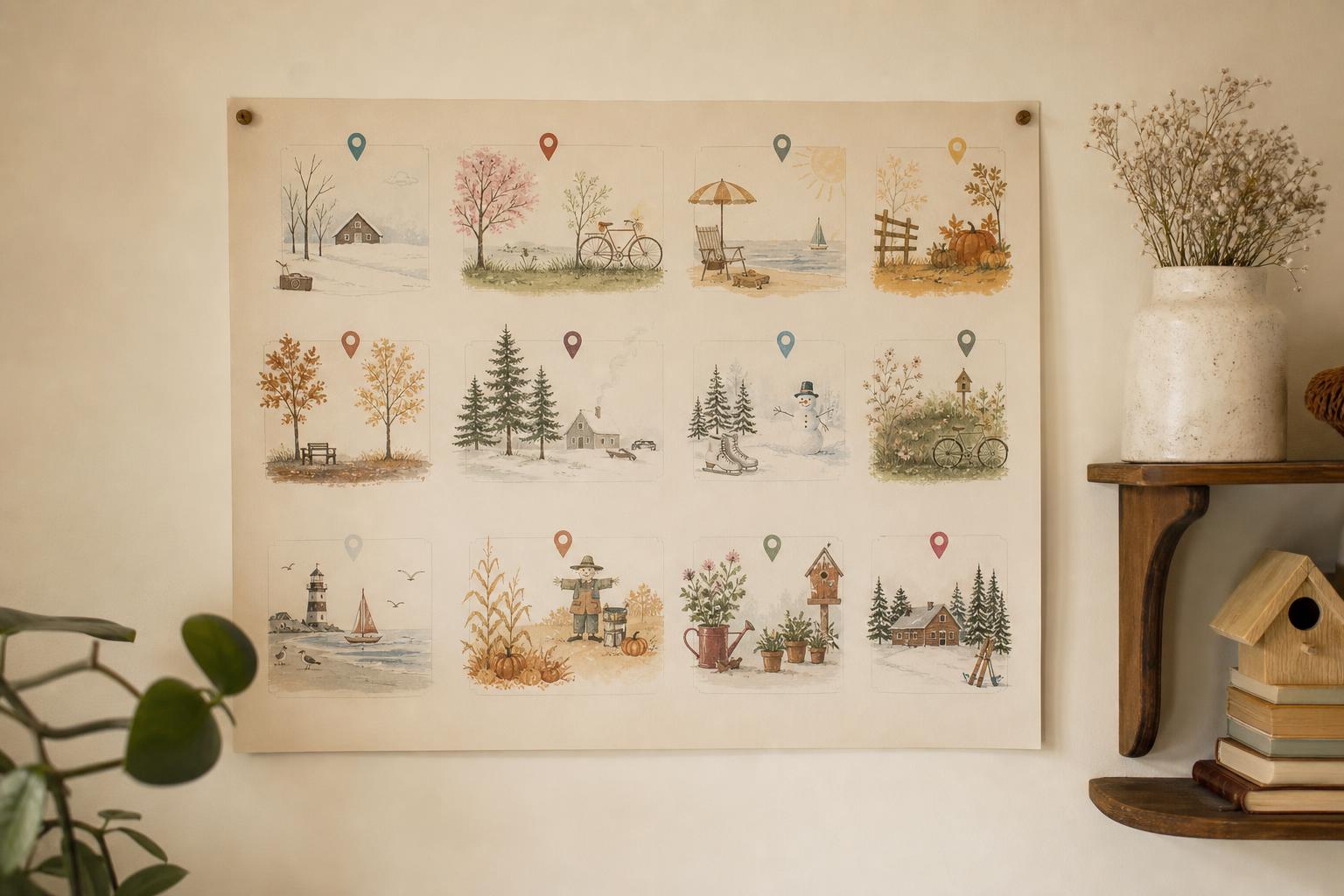
Build separate sections for spring, summer, fall, and winter events, each highlighting the unique character of that season in your location. Within each seasonal section, list recurring annual events first, then add one-time or occasional happenings. Include a brief description of what makes each event special and why you personally recommend it. When organizing recommendations effectively, grouping by season creates a natural browsing flow that matches how guests plan their trips.
Include event dates and booking details
Provide specific dates when known, or typical timeframes for recurring events (first weekend in June, every Thursday evening from May through September). Add crucial logistics like whether tickets need to be purchased in advance, if reservations are required, or if events tend to sell out. Note parking challenges, public transportation options, and estimated travel time from your property. These practical details prevent guest frustration and reduce the likelihood of follow-up questions.
Add insider tips and logistics
Share the knowledge only locals have: the best time to arrive to avoid crowds, which food vendors consistently deliver quality, where to park for free nearby, or that the event actually gets better after the initial rush. These insider perspectives demonstrate authentic local expertise and create moments of delight when guests follow your advice and have a superior experience. Mention any hidden costs or common tourist mistakes to avoid.
Monthly update schedule and process
Set a recurring calendar reminder to review and update your seasonal sections at the start of each month. Check event websites for date changes, new additions, or cancellations. Add fresh discoveries from your own exploration or guest feedback. A monthly fifteen-minute review keeps your guide current without becoming overwhelming. Document your update process so you can delegate this task if needed.

Finding and Vetting Hidden Gems
Hidden gems are local favorites that haven't been overrun by tourists yet, the places where you'd actually take your own visiting friends and family. Finding these spots requires tapping into local networks and doing some personal reconnaissance beyond basic internet searches.
Sources for discovering local favorites
Start with conversations with neighbors, local shopkeepers, and long-time residents who know the area intimately. Join neighborhood social media groups where locals share discoveries. Follow local food bloggers and community event pages that cater to residents rather than tourists. Visit farmers markets and chat with vendors about their favorite local spots. Read local newspapers and community newsletters that cover neighborhood events tourists never hear about. The best recommendations often come from asking locals directly where they spend their own leisure time.
How to vet quality and authenticity
Visit potential recommendations yourself before adding them to your guide. Assess whether the experience matches what you want to promise guests. Consider consistency: does this spot deliver quality reliably, or was your visit exceptional luck? Check recent reviews from multiple sources to identify any red flags or declining quality. Evaluate whether the venue welcomes tourists or prefers to stay locals-only. Your reputation rides on these recommendations, so personal verification prevents embarrassing misses.
Balancing popular spots with undiscovered places
Include a mix of well-known attractions and lesser-known alternatives. Popular spots appear in your guide to show you're comprehensive and haven't missed obvious must-sees. Follow these with hidden gem alternatives that offer similar experiences without crowds or tourist pricing. For example, list the famous downtown restaurant, then mention the family-owned spot three blocks away where locals actually eat. This balance serves both first-time visitors and return guests seeking fresh experiences. Understanding different types of recommendations guests love helps you create this balanced mix.
Organizing by category and distance
Group recommendations into clear categories: dining, outdoor activities, arts and culture, shopping, nightlife, family-friendly options. Within each category, consider organizing by distance from your property or by neighborhood. Note travel times and transportation methods for each recommendation. This organization helps guests quickly filter to their interests and logistical constraints without reading through irrelevant suggestions.
Best Practices for Digital Guide Layout
Layout directly impacts whether guests actually use your recommendations or abandon your guide in frustration. Clean organization, scannable formatting, and mobile-friendly design transform comprehensive information into actionable guidance.
Categorize by activity type and interest
Create distinct sections for different guest interests: foodies, outdoor enthusiasts, art lovers, families with kids, budget travelers, luxury seekers. This allows guests to jump straight to relevant recommendations rather than wading through everything. Use clear section headers that immediately communicate content. Consider adding tags or filters if your digital guidebook platform supports them, enabling guests to view only romantic date spots or rainy-day activities.
Visual elements that improve engagement
Add photos of recommended venues, events, or experiences when possible. Images help guests visualize what you're describing and make your guide more engaging to browse. Use icons or emojis sparingly to draw attention to key details like price level, kid-friendliness, or reservation requirements. Break up text with bullet points for quick-scan details like hours, address, and parking information. Visual hierarchy through formatting helps guests extract information efficiently.
Mobile-friendly formatting tips
Most guests access digital guides on their phones while actively exploring your area. Keep paragraphs short (two to three sentences maximum). Use descriptive subheadings that make sense when scanning quickly. Ensure addresses are formatted to open directly in mapping apps with a single tap. Test your guide on an actual phone screen to verify readability and usability. Avoid dense text blocks that require zooming or excessive scrolling on mobile devices.
Conclusion
Organizing seasonal events and hidden gems in your digital guide transforms you from a property owner into a trusted local insider. This curated knowledge directly influences booking decisions, enhances guest experiences, and generates the kind of specific, enthusiastic reviews that attract future bookings. The investment of time in building and maintaining a comprehensive seasonal calendar and vetted recommendations pays dividends through higher occupancy rates and guest satisfaction scores.
The key to sustainability is creating a simple monthly update process rather than attempting to maintain everything perfectly all the time. Start with the current season, add your genuine local favorites, and expand gradually. Focus on quality over quantity, authentic insider knowledge over exhaustive listings. Your unique perspective and personal vetting create value that generic travel websites cannot replicate.
Ready to create a guest guide that showcases your local expertise and keeps guests coming back? Start building your digital guide today and give your guests the insider access that turns a good stay into an unforgettable experience.