Welcoming pets into your vacation rental opens the door to a massive and underserved market, but it also comes with unique hosting challenges. Pet owners desperately need clear guidelines about what's allowed, where supplies are located, and which nearby spots welcome their four-legged companions. A comprehensive pet guide eliminates confusion before it starts, protects your property from accidental damage, and creates an exceptional experience that earns five-star reviews from grateful guests traveling with their furry family members.
Why Pet-Friendly Hosts Need a Dedicated Guide
A dedicated pet guide transforms your listing from merely "pet-allowed" to genuinely pet-welcoming, which directly impacts your booking rates and guest satisfaction scores. The difference matters because guests searching specifically for pet-friendly accommodations represent one of the fastest-growing segments in short-term rentals, with these travelers willing to pay premium rates for properties that clearly understand their needs. When you provide detailed pet information upfront, you're not just being helpful, you're positioning your property as the obvious choice among dozens of vague "pets considered" listings.
The growing demand for pet-friendly vacation rentals
More than 70% of pet owners now consider their animals when making travel plans, and approximately half of those travelers have declined vacation opportunities because they couldn't find suitable pet-friendly lodging. This massive demand creates a significant opportunity for hosts willing to accommodate pets properly. Properties that clearly outline their pet policies and amenities in a digital guidebook for Airbnb consistently outperform generic pet-allowed listings, capturing bookings from guests who've been disappointed by unclear or incomplete information elsewhere. The key differentiator isn't just allowing pets, it's demonstrating you've actually thought through the pet owner's experience from arrival to departure.
Common host concerns about property damage and liability
The fear of scratched floors, stained carpets, and chewed furniture keeps many hosts from accepting pets, but these concerns actually stem from unclear expectations rather than pets themselves. When guests don't know your specific rules about crating, supervision, or restricted areas, accidents happen. A detailed pet guide addresses these worries head-on by establishing crystal-clear boundaries, explaining your damage deposit structure, and outlining exactly what responsible pet ownership looks like in your space. Include photos showing where pets should eat, sleep, and spend time, which eliminates the guesswork that leads to problems.
How clear pet guidelines reduce negative reviews
Negative reviews from pet stays almost always trace back to mismatched expectations between what the host assumed and what the guest understood. One host expects dogs to stay off furniture; the guest thought "pet-friendly" meant full furniture access. Another host assumes guests will clean up accidents immediately; guests didn't know cleaning supplies were under the sink. These preventable conflicts disappear when you document everything clearly. Hosts who provide comprehensive pet guidelines report 40% fewer disputes and significantly higher review scores from pet owners, who genuinely appreciate the clarity and preparation.
Ready to create a professional pet guide that sets clear expectations? Build a complete digital guide with dedicated pet sections, house rules, and local recommendations all in one shareable link.
Start for freeEssential Pet Rules to Include in Your Guide
Your pet rules section must address size limits, behavioral expectations, outdoor requirements, and financial responsibilities in specific, measurable terms that leave no room for interpretation. Vague statements like "well-behaved pets only" mean nothing because every owner believes their pet is well-behaved. Instead, create concrete guidelines that explain exactly what you permit, what you prohibit, and what happens if rules are violated. This clarity protects both you and your guests from uncomfortable situations during their stay.
Size, breed, and number restrictions
State your maximum pet weight, how many animals you allow, and whether you have breed restrictions upfront in your pet guide. Be specific: "We welcome up to two dogs under 50 pounds each" tells guests exactly what you mean. If your insurance policy or HOA prohibits certain breeds, list them clearly rather than discovering the issue at check-in. Some hosts allow cats but not dogs, or vice versa, so specify which species you accommodate. Remember to explain your approval process: do guests need to send pet photos in advance, or can they simply arrive with any animal meeting your criteria?
Indoor behavior expectations and off-limit areas
Describe which rooms or furniture pieces are off-limits to pets, using clear language and ideally photos. If you don't want dogs on beds or sofas, say so explicitly and explain where you've placed pet-friendly alternatives like dog beds or blankets. Identify any rooms that should stay pet-free, such as carpeted bedrooms or home offices. Address supervision requirements: must pets be crated when left alone, or are they allowed free roam? These details prevent the misunderstandings that damage properties and relationships. Consider following examples from effective Airbnb house rules that spell out expectations without sounding unwelcoming.
Outdoor cleanup and leash requirements
Establish clear expectations for waste cleanup, leash use, and outdoor supervision. Tell guests exactly where to dispose of pet waste, whether you provide bags or they should bring their own, and which outdoor areas are designated for bathroom breaks. If you have shared outdoor spaces, explain leash requirements and quiet hours to prevent neighbor complaints. Some hosts create a specific relief area in their yard and mark it clearly in the guide. Address barking policies: is outdoor barking acceptable during certain hours, or should guests bring dogs inside if they become vocal?
Damage deposit and pet fee structure
Transparently explain your pet fee structure and refundable damage deposit terms. Many hosts charge a non-refundable pet fee (typically $25 to $75 per stay) to cover additional cleaning, plus a refundable damage deposit held separately. Outline exactly what the damage deposit covers, when it's returned, and what deductions might occur. Specify your inspection process: will you check for damage immediately after checkout, or within 24 hours? This financial clarity, combined with what Airbnb guests want regarding transparent pricing, builds trust and reduces disputes.
Pet Supplies and Amenities Checklist
Providing thoughtful pet amenities transforms your listing from adequate to exceptional, creating memorable experiences that generate repeat bookings and glowing reviews. You don't need expensive purchases; basic supplies strategically placed and clearly documented in your guide make the biggest difference. Focus on essentials first, then add special touches as your pet hosting program grows.
Food and water station essentials
Designate a specific feeding area and provide at least two stainless steel or ceramic bowls (one for food, one for water). Place a waterproof mat underneath to protect your floors from spills. In your guide, include a photo of this station and explain where guests can refill water bowls. Some hosts provide a small welcome basket with a few treats and a waste bag roll, which costs under ten dollars but creates an immediate positive impression. Mention nearby pet supply stores where guests can purchase food if needed, which leads naturally into your local recommendations section.
Waste disposal and cleaning supplies
Stock a clearly labeled cleaning kit specifically for pet accidents, including enzymatic cleaner, paper towels, and plastic bags. Show guests exactly where this kit lives, using a photo in your guide if possible. Provide a covered waste bin specifically for pet waste disposal, preferably outdoors or in a garage, and include instructions for trash day if their stay overlaps. Keep extra waste bags in an obvious location and tell guests where to find them. This preparation prevents guests from using your kitchen towels for pet cleanup, which is surprisingly common when supplies aren't clearly available.
Comfort items guests appreciate
Consider providing a washable pet bed or blanket, which gives dogs an approved spot to relax and protects your furniture. A few interactive toys or a tennis ball can keep pets entertained, reducing boredom-related behavior issues. If you have a fenced yard, mention this prominently and explain gate operation in your guide. Some hosts install simple pet gates to block off certain areas, which they document with photos showing proper setup. A towel designated for muddy paws near the entrance prevents dirty prints throughout your home and shows you've thought about real-world pet needs.
Emergency pet care contact information
Include a dedicated emergency section with the nearest 24-hour veterinary clinic name, address, phone number, and approximate distance from your property. List the closest regular vet clinic for non-emergency situations. Provide the local animal control number and your preferred emergency pet transport service if available. Add the number for pet poison control and mention where you keep a basic first aid kit. This information reassures pet owners that you take their animal's safety seriously and gives them immediate resources if something goes wrong.
Curating Local Dog-Friendly Recommendations
Local pet-friendly recommendations demonstrate genuine hospitality and solve your guests' biggest challenge: finding welcoming spaces in an unfamiliar area. Generic advice like "check Google" wastes the opportunity to provide real value and create memorable experiences that guests mention in reviews. Invest time researching actual pet-friendly establishments within a 15-minute drive, then organize this information clearly in your guide.
Nearby parks, trails, and off-leash areas
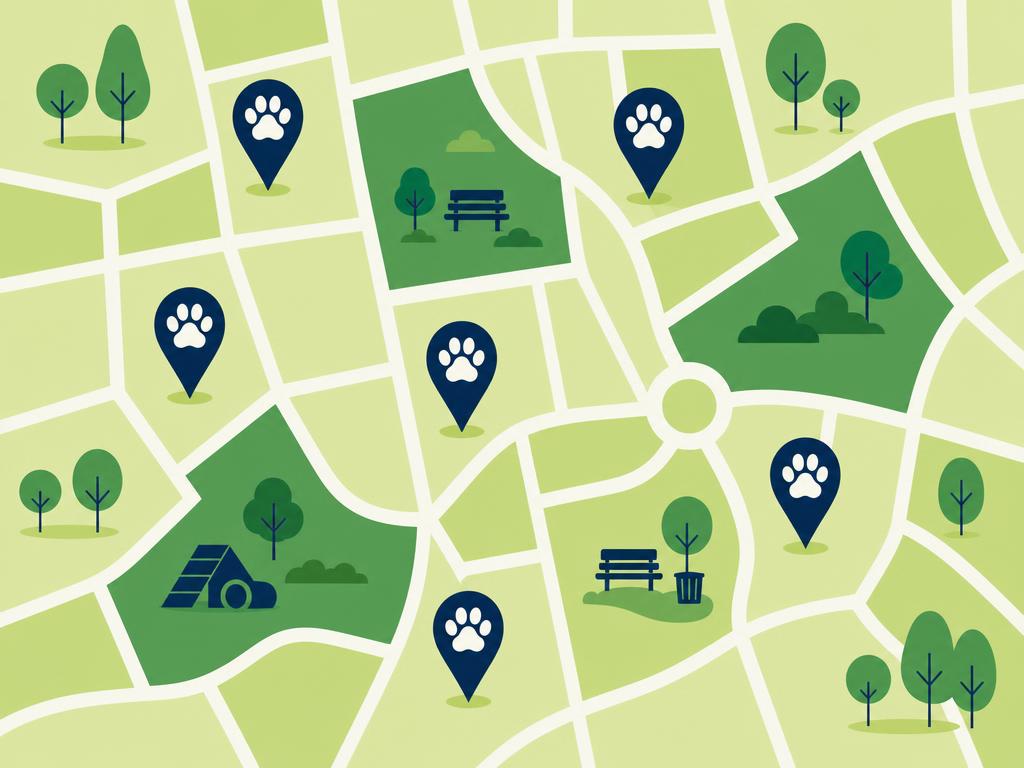
List three to five specific parks or trails with distances, parking information, and key features like water access, shade availability, or fencing. Note whether they're on-leash or off-leash areas and mention any permits required. Include seasonal considerations: is the trail muddy in spring, or are certain beaches restricted during summer? Personal notes add authenticity: "The river trail is our favorite because dogs can swim at the halfway point" means more than just listing names. This type of local recommendation ideas turns your guide into an invaluable resource.
Pet supply stores and grooming services
Identify the nearest pet supply store with hours and phone number, noting if they offer specialty items like prescription food or specific brands. Include at least one grooming service that accepts walk-ins or last-minute appointments for muddy-dog emergencies. Mention any self-service dog wash facilities, which are increasingly popular and budget-friendly. If there's a particularly good local pet boutique or a farm store with bulk food options, share those discoveries. These practical details help guests handle unexpected needs without stress.
Dog-friendly restaurants and patios
Compile a list of restaurants with genuinely pet-welcoming outdoor seating, noting which ones provide water bowls or dog menus. Specify whether they allow dogs on patios year-round or seasonally, and mention any size restrictions if applicable. Include a mix of casual and nicer options so guests can plan different types of outings. Add coffee shops or breweries that welcome dogs, as these often become favorite hangout spots for pet owners traveling for work or extended stays.
24-hour veterinary clinics and emergency contacts
Beyond basic contact information, provide directions to the nearest emergency vet clinic and note whether it requires appointments or accepts walk-ins. Mention typical wait times if you know them: "Usually 30-45 minute wait on weekends" helps guests plan. Include your local emergency animal hospital's phone number prominently and consider adding a backup option in case the closest facility is full. List any pet-friendly urgent care clinics that handle minor issues at lower cost than full emergency hospitals. This level of detail shows you genuinely care about their pet's wellbeing.
Conclusion
Creating a comprehensive pet guide positions your property as a truly welcoming space for travelers with animals, not just another listing that reluctantly allows pets. By addressing rules clearly, providing thoughtful amenities, and curating valuable local recommendations, you eliminate the anxiety pet owners feel when booking unfamiliar accommodations. This preparation protects your property through clear expectations while delivering the exceptional experience that generates five-star reviews and repeat bookings from the growing pet-travel market.
The most successful pet-friendly hosts understand that their guide isn't just a list of rules; it's a resource that solves real problems for guests navigating a new area with their companions. When you invest time documenting your pet policies, organizing supplies thoughtfully, and researching local pet-friendly spots, you're creating competitive advantages that justify premium pricing and build loyal guest relationships. The effort you put into your pet guide directly correlates with fewer problems, better reviews, and higher revenue from this valuable guest segment.
Ready to organize all your pet rules, amenities, and local recommendations into one professional, easily accessible resource? Create your digital guest guide today and give your pet-owning guests the clear, comprehensive information they need from the moment they book through checkout, setting your property apart as the obvious choice for travelers with four-legged family members.