One of the most common complaints from Airbnb guests is confusion about where trash goes and how recycling works at their rental. You've invested time creating a beautiful space, but if guests can't figure out your waste system, you'll face messy checkouts, neighbor complaints, and frustrated cleaning staff. Clear trash and recycling instructions aren't just a nice-to-have detail—they're essential infrastructure that prevents guest service requests, protects your property, and ensures smooth turnovers between bookings.
The good news is that setting up effective waste instructions doesn't require complicated systems or expensive signage. With a few strategic additions to your digital guest guide, you can eliminate 90% of trash-related issues while improving your sustainability credentials and guest satisfaction scores. This guide walks you through exactly what information to include, how to present it visually, and where to place it for maximum compliance.
Why Clear Waste Instructions Matter
Clear waste instructions directly impact your bottom line, guest experience, and local compliance status in ways that many hosts underestimate until problems arise.
Guest confusion costs you time and money
When guests don't know where trash belongs, they improvise solutions that create work for you. Common scenarios include overstuffed bins that trigger additional pickup fees, recyclables thrown in regular trash that waste collection capacity, and bags left outside bins that attract animals or upset neighbors. Each of these issues requires your personal intervention, whether through emergency cleanout services, neighbor apologies, or lengthy message exchanges with confused guests during their stay.
More seriously, improper waste disposal delays turnover. Your cleaning team arrives to find trash scattered across multiple incorrect locations, adding 20-30 minutes to their scheduled time. This domino effect pushes back your entire cleaning schedule and can jeopardize same-day turnovers. The financial impact compounds when you consider that most hosts pay cleaners hourly, meaning every minute spent sorting through improperly disposed waste costs you money.
Local compliance protects your hosting license
Many municipalities now enforce strict waste management regulations for short-term rentals, and violations can trigger fines or license suspensions. Cities like San Francisco, Seattle, and Austin have implemented mandatory composting and recycling programs with specific sorting requirements. If your guests consistently contaminate recycling bins or miss collection schedules, your property may receive compliance notices from local authorities.
Beyond regulatory requirements, HOA and condo associations often have detailed waste guidelines that apply to all residents, including short-term guests. Violations can result in fines passed directly to you as the property owner, and repeated infractions may lead to restrictions on your ability to host. Documenting your waste instructions and making them easily accessible demonstrates good faith compliance efforts if disputes arise.
Sustainability appeals to modern travelers
Today's travelers increasingly prioritize eco-friendly accommodations, with studies showing that over 70% of guests consider sustainability when booking. Clear recycling and composting instructions signal that you care about environmental impact, which resonates particularly strongly with millennial and Gen Z travelers who often pay premium rates for green-certified properties.
This sustainability angle also provides marketing differentiation in competitive markets. Guests who value environmental responsibility are more likely to leave positive reviews mentioning your thoughtful waste systems, and these reviews attract similar future guests. The virtuous cycle builds your reputation as a responsible host while requiring minimal additional effort once your instructions are properly documented.
Want to streamline your trash instructions and every other guest detail? Create a professional digital guide that keeps all your property information organized and accessible on any device.
Start for freeWhat Information to Include
Comprehensive trash and recycling instructions should answer every question a guest might have about waste disposal without requiring them to contact you for clarification.
Bin locations and identification
Start with the basics: where are your bins physically located, and how can guests identify them? Be specific rather than vague. Instead of saying "bins are outside," write "trash and recycling bins are located in the side yard, accessed through the gate next to the garage door." Include photos showing the exact location from the perspective of someone exiting your property.
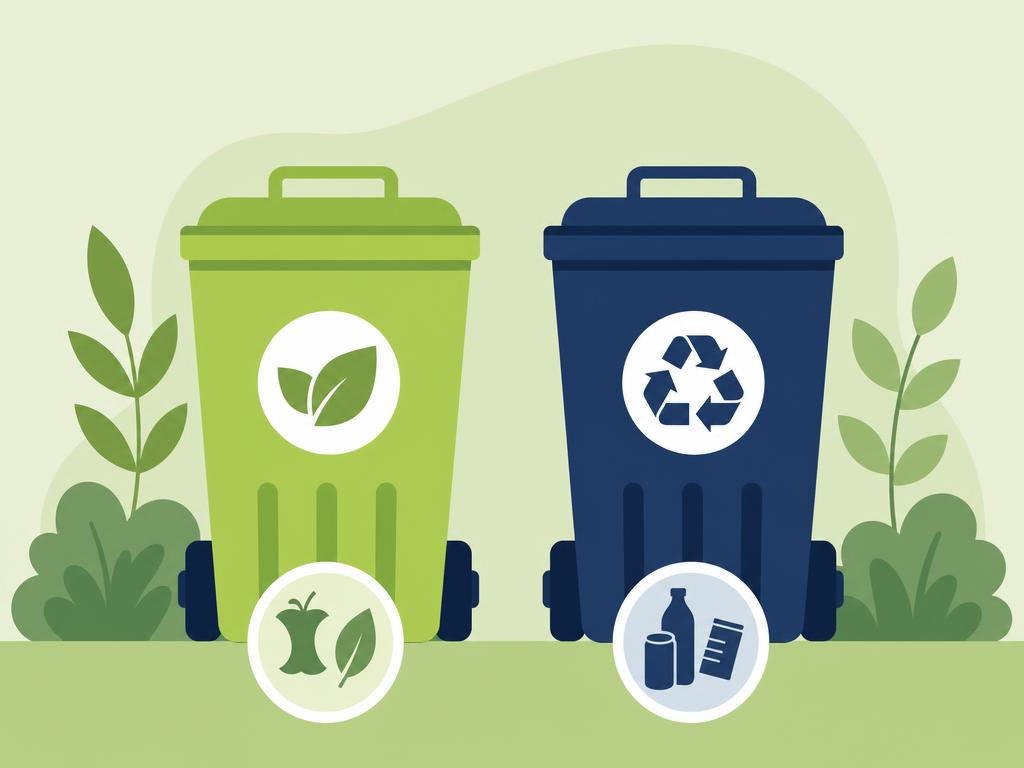
If you have multiple bin types, describe how guests can tell them apart. This might be by color (blue for recycling, green for compost, black for trash), size, or label. Many municipalities use standardized bin colors, but don't assume guests know your local system. State explicitly which bin is which, even if it seems obvious to you as a local resident.
Sorting rules and accepted materials
List what goes in each bin using concrete examples rather than category names. Instead of "recyclable materials," say "clean cardboard, paper, plastic bottles and containers marked with recycling symbols, glass bottles and jars, and metal cans." This specificity eliminates interpretation errors.
Equally important are the exclusions. Call out common items guests might assume are recyclable but aren't accepted in your local program, such as plastic bags, pizza boxes with grease stains, or styrofoam containers. These "common mistakes" prevent contamination that could result in your entire recycling bin being rejected by haulers.
Collection schedules and timing
Tell guests exactly when collection occurs and what they need to do if their checkout falls near collection day. For example, "Trash collection happens every Tuesday and Friday morning. If you're checking out on Monday night or Tuesday/Friday before 7am, please roll bins to the curb the night before your departure." This prevents situations where guests leave with full bins still at the side of your house.
For longer stays, explain the ongoing schedule so guests know when to expect collection and can plan their waste accordingly. This is particularly important for guests staying a week or more who may need to manage accumulating trash during their visit.
Overflow and special waste procedures
Address what guests should do if bins are full or if they have items that don't fit standard categories. You might say, "If bins are full, please consolidate items and place excess bags neatly beside the bins. Do not place trash in recycling bins or vice versa." This guidance prevents guests from making poor decisions when faced with capacity issues.
For special items like batteries, lightbulbs, or electronics, either provide a designated collection point or direct guests to leave these items on the kitchen counter with a note so you can dispose of them properly. This protects both your property and local waste systems from hazardous materials.
Creating Visual Sorting Guides
Visual guides dramatically improve compliance because they eliminate language barriers and reduce the cognitive load of reading detailed text instructions, making proper waste sorting nearly effortless for guests.
Photo documentation of your system
Take clear, well-lit photos of your actual bins from multiple angles. Include a wide shot showing where bins are located in context, a medium shot showing all bins together, and close-ups of any labels or identifying features. These photos should be taken during daytime with bins closed and clean, presenting your waste system at its best.
Consider adding annotated photos with arrows and labels pointing to specific features. A simple overlay that says "Blue bin: Recycling only" directly on the bin photo creates instant recognition. These annotated images work particularly well in your checkout instructions where visual clarity speeds up the departure process.
Color coding and labeling strategies
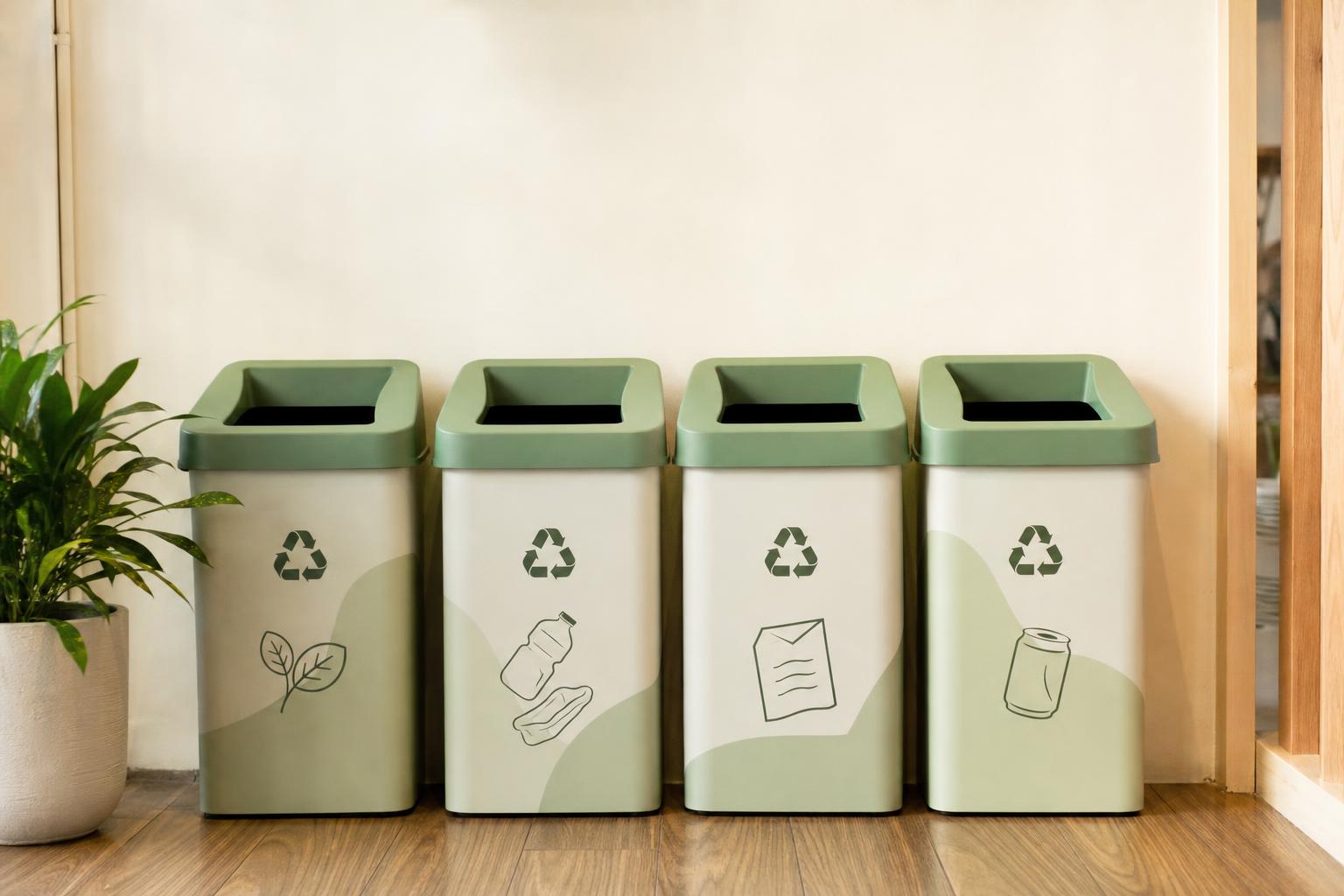
If your municipal bins don't have clear labels, create your own using weather-resistant stickers or laminated signs. Use large, bold text with universal symbols when possible. A simple icon of a bottle and can on the recycling bin, or a banana peel on the compost bin, communicates purpose instantly across language barriers.
Color coding extends beyond the bins themselves. In your written instructions, use colored text or backgrounds that match your bin colors. When you write about the blue recycling bin, make that text blue. This creates a visual connection that reinforces memory and reduces sorting errors.
Icon-based sorting charts
Create a simple sorting chart using icons to show what goes in each bin. This can be a single image with three columns (one per bin type) showing common items like bottles, food scraps, or general waste. Keep it simple with 8-10 items per column rather than attempting to show every possible item.
These charts work exceptionally well as physical laminated sheets placed near your kitchen trash area, but they're equally valuable in your digital guide where guests can reference them on their phones while sorting items. The key is using universally recognizable icons rather than text-heavy descriptions that require careful reading.
Common mistake callouts
Add a "Don't" section or red X icons over items that guests frequently sort incorrectly. Highlighting that greasy pizza boxes don't go in recycling, or that plastic bags shouldn't go in any bin, prevents the most common contamination issues. Frame these as helpful tips rather than scolding rules to maintain a friendly tone while still communicating important boundaries.
How Do I Add Instructions to My Digital Guide?
Instructions should be strategically placed in your digital guide where guests naturally look for waste information, with formatting that makes compliance easy even for guests who only skim the content.
Where to place waste information
Trash instructions belong in two places within your guide. First, include them in your main house rules section so guests see waste expectations upfront during their stay. Second, and more importantly, feature them prominently in your checkout procedures where guests actively reference information while preparing to leave.
Consider creating a dedicated "Trash & Recycling" page or section that consolidates all waste information in one place. This allows you to link to comprehensive details from both house rules and checkout sections without cluttering either area with excessive detail. Guests who need more information can click through, while others get the essentials in context.
Making instructions scannable
Format your waste instructions for quick scanning rather than deep reading. Use bullet points, numbered lists, and clear subheadings that allow guests to find specific information rapidly. Most guests will reference these instructions while actively sorting trash, so they need to extract information in seconds rather than reading paragraphs.
Lead with the most critical information. Start with bin locations and basic sorting rules before moving to collection schedules and special cases. This priority structure ensures guests get essential information even if they stop reading halfway through, which many will do in the rush of checkout preparations.
Linking to checkout procedures
Create seamless connections between your waste instructions and checkout procedures by linking directly to relevant sections. When your checkout template mentions taking out trash, that phrase should link to your detailed waste sorting guide. This contextual linking helps guests navigate information at the moment they need it without searching through your entire guide.
Use action-oriented language in these links. Instead of "see waste information," write "learn where bins are located" or "check what goes in recycling." This specific language tells guests exactly what they'll find when they click, increasing the likelihood they'll actually reference your instructions rather than guessing.
Updating for seasonal changes
Some waste systems change seasonally, particularly around holidays when collection schedules shift or during summer when yard waste programs become available. Set calendar reminders to review and update your waste instructions before major holidays, noting any schedule changes that might affect guest checkouts.
Digital guides make these updates simple because you change information once and it's immediately available to all current and future guests. Mention holiday schedule changes in your pre-arrival message for guests staying over affected periods, linking to your updated guide so they have easy reference during their stay.
Conclusion
Setting up clear trash and recycling instructions in your Airbnb guide is one of the highest-impact, lowest-effort improvements you can make to your hosting operation. By documenting bin locations, sorting rules, and collection schedules with both written instructions and visual guides, you eliminate the confusion that leads to messy checkouts, neighbor complaints, and time-consuming guest messages. The investment of an hour to photograph your bins and write clear instructions pays dividends in smoother turnovers and higher guest satisfaction for every booking that follows.
Remember that effective waste instructions work best as part of a comprehensive property guide that covers all aspects of your guest's stay. Your trash system should integrate naturally with your checkout procedures, house rules, and overall property documentation, creating a seamless information experience that makes guests feel supported rather than overwhelmed by rules.
Ready to create a professional guest guide that keeps your trash instructions and every other property detail organized in one accessible place? Start building your digital guide for free and give your guests the clarity they need while protecting your property and simplifying your hosting workflow.