Late check-ins are one of the most common scenarios that test your hosting systems. When guests arrive after midnight, they're tired from travel, unfamiliar with your property, and often navigating in complete darkness. Without crystal-clear instructions tailored specifically for after-hours arrival, you're setting yourself up for frustrated messages, locked-out guests, and emergency phone calls at 2 AM. The solution isn't just sending more information, it's sending the right information at the right time, formatted in a way that exhausted travelers can actually follow when they're standing outside your property in the dark.
Why Late Check-Ins Need Special Instructions
Late check-ins require fundamentally different instructions than daytime arrivals because guests face unique challenges that simply don't exist during normal hours. The entrance that's obvious in daylight becomes invisible at night, the key box you can easily spot during the day blends into shadows after dark, and the helpful neighbor who could assist is now asleep. When guests arrive exhausted after delayed flights or long drives, their ability to problem-solve is significantly reduced, making step-by-step clarity absolutely essential.
The Real Cost of Unclear After-Hours Access
When your late check-in instructions fall short, the consequences extend far beyond a single inconvenient message. Guests who can't access your property after midnight often leave their first review before they even sleep in your bed, and that review rarely recovers from a frustrated start. You'll face emergency calls when you're trying to sleep, potential damage from guests attempting forced entry, and strained relationships with neighbors who hear confused travelers searching for the entrance. Some guests will simply cancel and book a hotel, leaving you with a last-minute vacancy and a potential refund dispute.
What Goes Wrong at Midnight
The most common late-night access failures share predictable patterns. Smart lock batteries die at the worst possible time, and guests can't see the tiny solar panel that needs charging. Gate codes that worked perfectly during testing suddenly fail because you forgot to mention the pound sign must be pressed after the code. Exterior lighting that seemed adequate in testing proves insufficient when guests are approaching from an unfamiliar angle. Your detailed parking instructions make perfect sense, except you never mentioned that the usual entrance closes at 10 PM and guests must use the side access after hours.
Guest Expectations vs. Reality
Most guests assume late check-in simply means using the same instructions you provided, just later in the day. They don't realize that after-hours access often involves completely different procedures, alternative entrances, or additional security measures. This expectation gap creates frustration even before they arrive, because your standard self check-in instructions didn't prepare them for the nighttime reality they're about to encounter. Setting accurate expectations through proactive communication prevents disappointment and reduces support requests dramatically.
What Should You Include in Your After-Hours Access Instructions?
Your late check-in instructions must include complete step-by-step entry guidance that accounts for darkness, reduced visibility, and the fact that guests cannot easily ask for help at midnight. Start with the exact arrival sequence: where to park first (even if temporarily), which path to take to the entrance, and what landmarks to look for that remain visible at night. Every direction should reference permanent features like building numbers, distinctive architectural elements, or lit signage rather than seasonal details like "the red flowers" that won't help in darkness.
Step-by-Step Entry Guidance
Break down the entry process into individual actions with no assumed knowledge. Specify exactly how many steps to climb, which direction to turn, and what the door or key box looks like with enough detail that someone could identify it among similar options. For smart lock instructions, include what sound or light the lock makes when it successfully unlocks, because guests arriving late often can't tell if they've completed the process correctly. Mention the door's resistance level ("you'll need to push firmly") and what guests should see immediately upon entering to confirm they're in the right place.
Nighttime-Specific Details Guests Need
Address the darkness directly in your instructions. Tell guests which lights will already be on and which ones they'll need to locate immediately. If there's an outdoor motion sensor light, mention when it activates and how long it stays on so they don't panic when it switches off. Describe the key box or lock location using touch-based directions ("you'll feel a small ledge at waist height on the left side of the door") in addition to visual cues. Include what to do if exterior lighting fails, whether that means using their phone flashlight or knowing where to find the backup key location.
Parking and Exterior Access After Dark
Your parking instructions must account for reduced visibility and potential after-hours restrictions. Specify whether parking areas have lighting and what guests should look for as confirmation they're in the correct spot ("you'll see a blue garage door directly ahead"). Mention if any gates, barriers, or access roads close after certain hours, and provide the alternative route they must use instead. If street parking is the only option, include safety guidance about well-lit areas and distance expectations from the property entrance.
Tired of rewriting the same late check-in instructions for every guest? A digital guidebook keeps all your after-hours access details in one place, accessible 24/7 from any device.
Start for freeEmergency Backup Contact Information
Even perfect instructions sometimes fail due to circumstances beyond your control, so your emergency contact protocol becomes critical for late arrivals. Provide a clear escalation path: try the access code, if that fails try the backup method, if both fail contact this number. Include response time expectations ("I typically respond within 15 minutes, but if you don't hear back within 30 minutes, contact my co-host"). Give guests permission to take reasonable temporary measures, like waiting in their car in a safe location, rather than feeling stranded without guidance.
How Should You Deliver Late-Night Instructions to Guests?
The timing and method of delivering your late check-in instructions directly impacts whether guests actually read and retain them when they need the information most. Sending comprehensive instructions too early means guests will forget critical details, while sending them too late creates anxiety and doesn't allow time for clarifying questions. The most effective approach combines strategic timing with accessible formats that work when guests are actively traveling and may have limited connectivity or attention span.
Timing Your Communication
Send your late check-in instructions in two phases for maximum effectiveness. First, include basic after-hours information in your initial confirmation message so guests know what to expect and can ask questions early. Then, send the detailed step-by-step instructions approximately four to six hours before their stated arrival time, when they're likely beginning their journey and the information is immediately relevant. For guests arriving after midnight, consider sending a final reminder message around 8 PM with the simple subject line "Tonight's Check-In Access" to ensure the instructions stay at the top of their inbox.
Using a Digital Guidebook for 24/7 Access
A digital guest guide solves the fundamental problem of guests losing or forgetting emailed instructions when they need them most. Guests can access the guidebook from their phone while standing at your property, without searching through email threads or scrolling past unrelated booking details. Digital formats also allow you to include photos of nighttime access points, which provide infinitely more clarity than written descriptions alone. You can update instructions instantly if anything changes, ensuring every guest always has current information regardless of when they booked.
Confirmation and Follow-Up Protocol
Don't assume guests received or understood your instructions just because you sent them. Ask guests to confirm receipt and understanding with a simple "please reply with your estimated arrival time" request, which gives you natural verification. For arrivals after 11 PM, consider a brief check-in message ("Just confirming you have the access code and know where to park") sent an hour before their ETA. This opens the conversation for last-minute questions while you're still awake and able to respond quickly.
What Are the Best Practices for Smart Locks and Keyless Entry at Night?
Smart locks and keyless entry systems offer excellent solutions for late check-ins, but they require specific preparation to function reliably during after-hours arrivals when you cannot easily provide backup support. The technology that works flawlessly during daytime testing can fail in ways you never anticipated once darkness, cold weather, and tired guests enter the equation. Proper preparation means testing under realistic conditions and having backup systems that don't rely on your immediate availability.
Testing Access Methods at Night
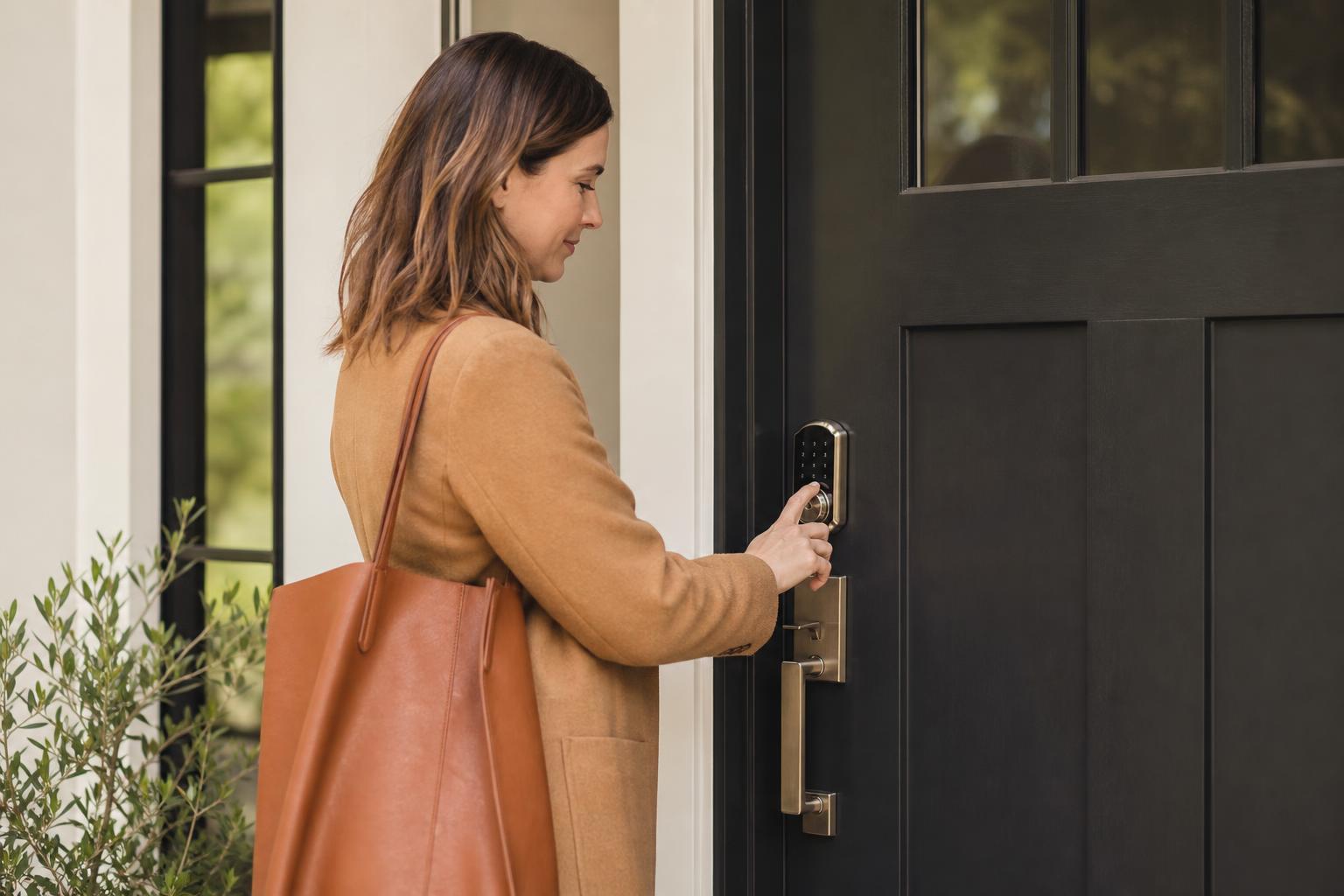
Test your entry system specifically during nighttime conditions, not just during convenient daylight hours. Walk through the entire arrival sequence after dark using only the instructions you plan to give guests. Have someone unfamiliar with your property attempt access at night to identify assumptions you're making based on familiarity. Check whether the smart lock screen is visible in darkness or if guests need to use their phone flashlight to see the keypad. Verify that any touchscreen locks respond properly to cold fingers or work in rain, conditions common during late arrivals.
Battery and Connectivity Backup Plans
Smart lock batteries always seem to die at midnight, so monitoring battery levels becomes essential for hosts who regularly accommodate late check-ins. Set up low-battery alerts and replace batteries preemptively rather than waiting for failure. Install locks that provide mechanical key override options and tell guests exactly where that backup key is located. For WiFi-connected locks, ensure guests know the code will work even if connectivity drops, and verify this yourself by testing with WiFi disabled. Keep a backup battery pack near the door for electronic locks that accept external power.
Code Visibility in Low Light
The biggest overlooked factor in late-night keyless entry is simply seeing the access code or keypad clearly enough to enter it correctly. Use codes that avoid easily confused numbers (avoiding combinations like "8886" where tired guests can't track which digit they've entered). Consider installing small solar-powered lights specifically to illuminate the lock area, positioned where they provide visibility without creating glare on reflective surfaces. Tell guests explicitly if they need to wake the lock screen by touching it first, or if pressing any button activates the backlight, details that seem obvious but cause confusion in practice.
Conclusion
Late check-ins don't have to mean late-night stress calls and frustrated guests if you prepare instructions specifically designed for after-hours arrivals. The key is recognizing that midnight access requires fundamentally different guidance than daytime entry, accounting for darkness, fatigue, and the inability to easily ask for help. By providing step-by-step directions that work in low-light conditions, testing your systems under realistic nighttime scenarios, and delivering instructions through accessible formats that guests can reference on-site, you transform potential disasters into smooth arrivals.
Your investment in comprehensive late check-in instructions pays dividends through better reviews, fewer emergency interruptions, and guests who arrive feeling confident rather than frustrated. The hosts who excel at after-hours hospitality aren't necessarily those with the fanciest technology, but rather those who anticipate guest needs and proactively address them through clear communication. When guests successfully access your property at 1 AM without needing to wake you up, you've created the kind of seamless experience that turns first-time visitors into repeat guests.
Ready to create check-in instructions that work perfectly at any hour? Build your comprehensive guest guide today with all your access details, emergency contacts, and property information in one place your guests can reference 24/7. Start creating your digital guidebook for free and give every guest the confident arrival experience they deserve, no matter when they show up at your door.