When a guest can't figure out where to park or how to access your garage, their stay starts on the wrong foot. Parking confusion ranks among the top three check-in frustrations for Airbnb guests, often leading to frantic calls, delayed arrivals, and even negative reviews before they've stepped through your front door. Clear parking instructions aren't just helpful, they're essential to creating a smooth arrival experience that sets the tone for the entire stay.
The good news? Most parking headaches stem from missing details or poorly organized information, not complicated access systems. Whether you manage a downtown condo with assigned spaces or a suburban home with a smart garage opener, the right approach to sharing parking details can eliminate guest stress and protect your property rating. This guide walks you through exactly what information to include, which formats work best for different parking scenarios, and how to integrate parking details into your check-in instructions so guests find them when they need them most.
Why Parking Instructions Matter
Parking instructions directly impact whether guests can physically access your property, making them just as critical as door lock codes. Unlike other amenities that guests discover after arrival, parking access happens first, which means any confusion creates immediate frustration when guests are already tired from travel.
Guest frustration starts before check-in
Guests typically begin looking for parking information 30 to 60 minutes before arrival, often while driving or coordinating ride shares. When this information isn't readily available in your digital guest guide, they resort to scrolling through message threads or calling you in a panic. This creates unnecessary stress during what should be an exciting moment, the start of their trip.
Urban properties face particularly high stakes. A guest circling the block searching for your building's garage entrance while traffic honks behind them isn't just inconvenient, it's the kind of experience that shapes their entire perception of your hosting quality. Meanwhile, guests who park in the wrong spot face towing fees, angry neighbors, or locked gates they can't exit.
Security and liability concerns
Unclear parking instructions create security risks for both you and your guests. When guests don't know which spaces belong to your property, they might inadvertently park in areas reserved for full-time residents, triggering complaints or building management issues. Conversely, vague instructions can lead unauthorized vehicles to occupy your designated spots, leaving your paying guests without parking.
Vehicle damage and theft concerns also escalate when guests park in poorly lit areas or unsecured zones because they couldn't locate your recommended parking. Some insurance policies require hosts to provide clear safety guidance, making comprehensive parking instructions not just courteous but potentially necessary for liability protection.
Impact on reviews and repeat bookings
Reviews frequently mention parking experiences, both positive and negative. Guests who struggle with parking access often frame it as an organizational failure, questioning whether you'll be responsive to issues during their stay. Even a single review mentioning parking confusion can deter future bookings, particularly from families or groups traveling with multiple vehicles.
On the flip side, hosts who nail parking instructions earn praise for being thorough and considerate. Guests specifically call out clear parking guidance in five-star reviews, often mentioning it alongside smooth check-in as evidence of exceptional hosting. This attention to detail signals professionalism that translates directly to booking conversion rates.
Want parking instructions guests can access instantly? Create a digital guide that keeps your access details organized and always up to date, no matter when guests arrive.
Start for freeEssential Information to Include
Comprehensive parking instructions should answer every question a guest might have from the moment they turn onto your street until their vehicle is safely parked. Missing even one detail can send guests back to their messages searching for clarification, so err on the side of over-explaining rather than assuming knowledge.
Access codes and entry methods
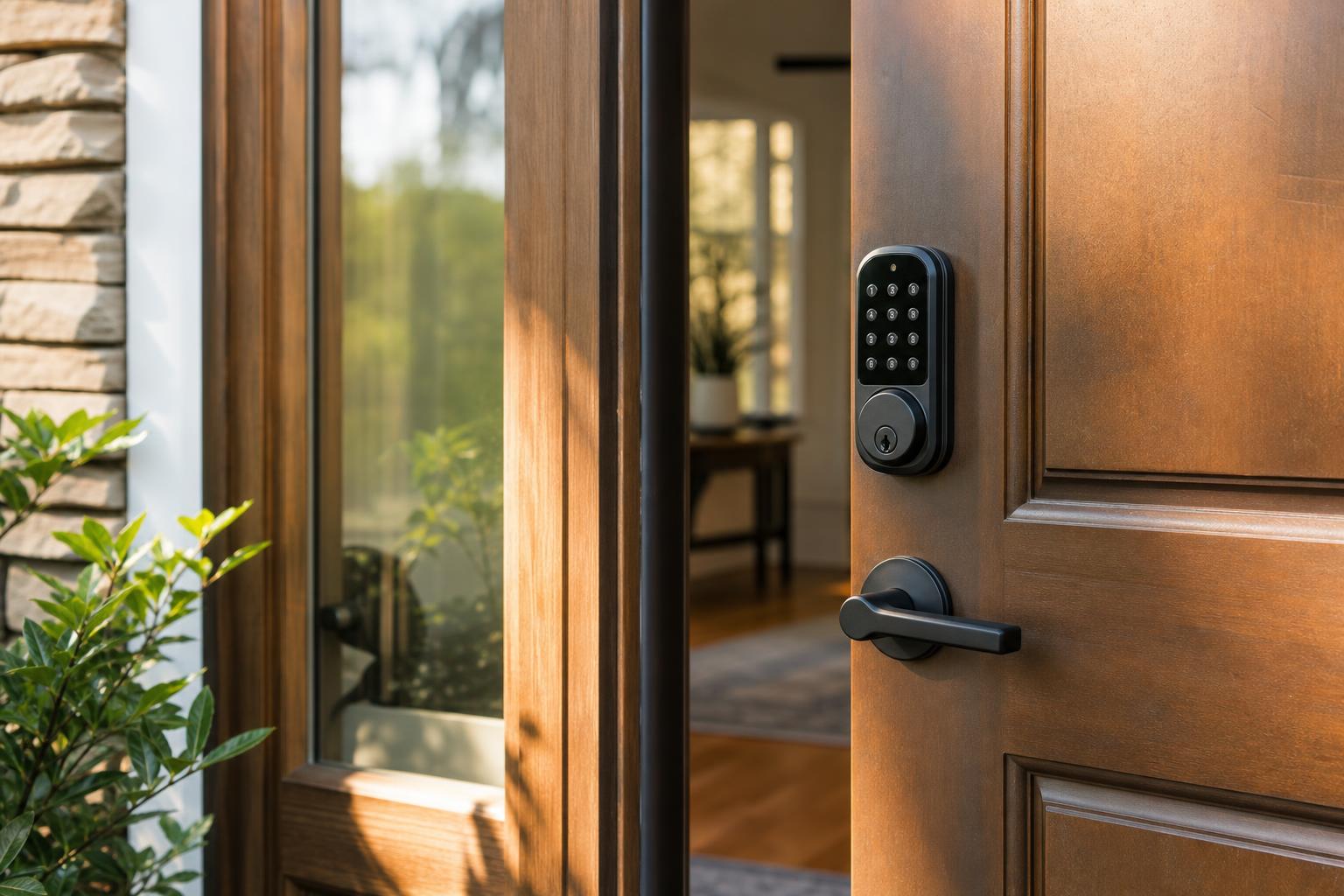
If your parking requires any type of code, keypad entry, or remote access, state this information clearly with the exact sequence guests need to follow. For garage door openers, specify where guests will find the remote (glove box, visor clip, entry table) and which button to press. When dealing with smart lock instructions or keyless entry details, clarify whether the same code works for both parking and property entry, or if different codes apply.
Include backup methods for every electronic access point. If the gate keypad malfunctions, can guests call a phone number that triggers the gate? If the garage door remote battery dies, is there a manual keypad? These contingencies prevent guests from getting stranded outside your property with no recourse.
Spot numbers and visual markers
Generic directions like "park in the garage" leave too much room for error. Instead, provide the specific spot number, floor level, and any visual landmarks that help guests identify the correct space. For example, "Space 204 on Level 2, directly across from the elevator entrance, marked with a blue sign" gives guests multiple confirmation points.
If your property doesn't have numbered spaces, describe the location using nearby features. "The two spaces at the end of the driveway near the oak tree" or "The spots immediately to the right as you enter the parking lot" work well. When possible, mention what guests should see when they're in the correct location to build their confidence.
Parking restrictions and permits
Clearly communicate any time restrictions, permit requirements, or neighborhood parking rules that guests must follow. Street parking often comes with resident-only zones, street cleaning schedules, or overnight restrictions that vary by day of week. Guests from out of town won't know these local regulations, so spell them out explicitly.
If permits are required, explain exactly how guests obtain and display them. Do you provide a physical permit they'll find in the property? Should they print a temporary pass you've emailed? Must they register their license plate number online? Include deadlines (like "register within two hours of arrival") to prevent parking violations.
Alternative options and overflow parking
Always provide a Plan B for parking. Even with assigned spaces, situations arise: another vehicle in your spot, construction blocking access, or additional guests arriving with extra cars. List the nearest public parking garage with address and typical rates, or identify safe street parking zones within walking distance.
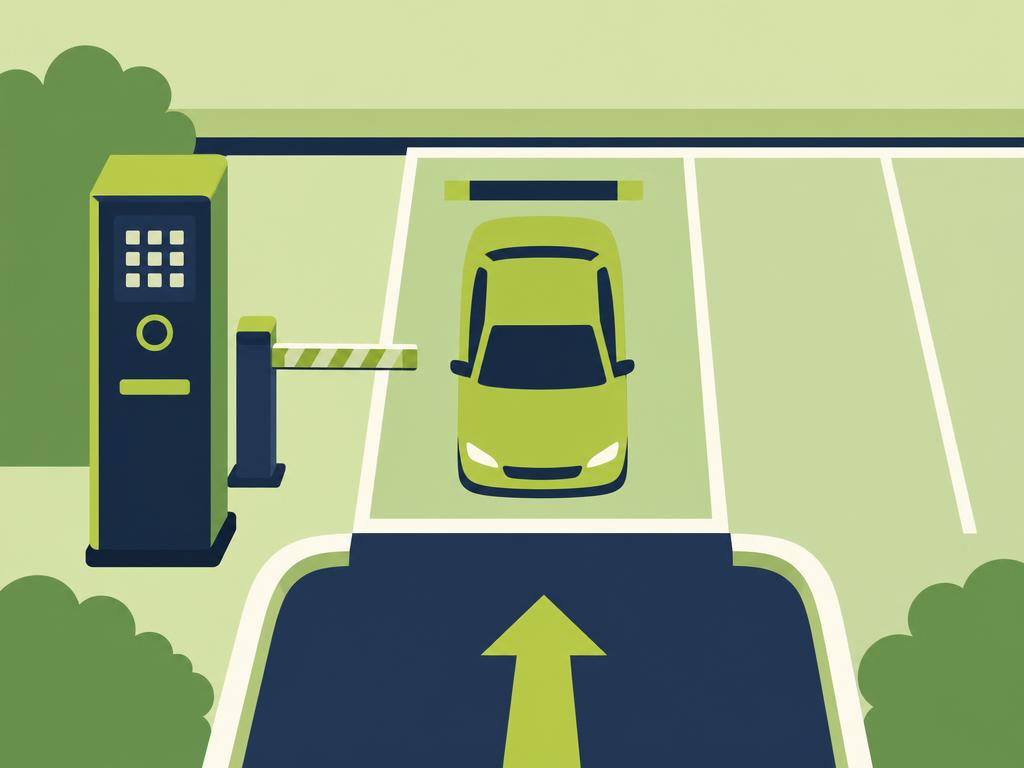
For properties that accommodate multiple vehicles, clarify capacity limits and where each additional car should go. If you provide two spaces but guests are bringing three cars, they need to know this before arrival, not after they've already checked in.
What formats work best for parking instructions?
The most effective parking instructions combine multiple formats to accommodate different learning styles and arrival scenarios, ensuring guests can access information whether they're reading ahead or troubleshooting in real time.
Step-by-step text instructions
Sequential text instructions work best when numbered and broken into distinct actions. Start from the guest's perspective as they approach your property: "1. Turn onto Oak Street from Main Avenue. 2. Look for the blue building on your left. 3. The garage entrance is between the building and the coffee shop." This approach helps guests follow along while driving or directing a rideshare.
Keep each step focused on a single action. Rather than "Enter the code 4567 on the keypad to the right of the gate and wait for it to open fully before driving through," break this into two steps. This reduces cognitive load when guests are managing multiple tasks simultaneously.
Photos and annotated images
Photos eliminate ambiguity by showing exactly what guests should see. Capture images of your building's exterior from the street view, the garage or parking entrance, the keypad or access point, and the actual parking space from the driver's perspective. These visual references help guests confirm they're in the right location.
Annotated images take this further by adding arrows, circles, or text overlays that highlight specific features. A photo of your parking area with your spot number circled in red or an image of the entry keypad with the code location marked prevents confusion. Many hosts find that a single annotated photo reduces parking questions by half.
Short video walkthroughs
A 60-second video filmed from a driver's point of view can be worth dozens of text instructions. Start recording as you turn onto your street, narrate the key landmarks, show the access process in real time, and end with your parked vehicle in the correct spot. This dynamic format helps guests visualize the entire sequence.
Keep videos short and focused solely on parking access. Guests searching for parking information don't want to wade through a ten-minute property tour. If you create longer content, timestamp the parking segment or create a dedicated short clip they can reference quickly.
Digital guide integration
Embedding parking instructions in your digital house manual ensures guests can access them instantly without searching through message history. Digital formats allow you to update codes or instructions in real time, particularly important when access codes change between bookings or seasonal parking rules shift.
The best digital guides organize parking information under a dedicated section that's easy to find from the main menu. This positioning acknowledges that parking access is a priority concern, not an afterthought buried in miscellaneous property details.
Best practices for maintaining parking instructions
Even perfect parking instructions lose value if they become outdated or inaccessible when guests need them most. Regular maintenance and smart delivery systems keep your parking guidance reliable across every booking.
Update codes before each check-in
If you use rotating access codes for security, establish a system that ensures guests always receive current information. Set calendar reminders to update your guide when codes change, or better yet, use smart access systems that let you schedule code updates automatically between bookings.
Send parking details separately from general check-in information so they don't get buried. A dedicated message titled "Parking Access for Your Stay" that arrives 24 hours before check-in ensures guests see this critical information when they're actively planning their arrival.
Test your own instructions regularly
Walk through your parking process exactly as you've described it at least once per quarter. Approach from the street, follow your written directions, and verify every detail matches current conditions. Trees grow and block sight lines, building management changes access systems, and street signs get updated, all of which can invalidate previously accurate instructions.
Ask a friend unfamiliar with your property to test your instructions and report any confusion. They'll catch assumptions or unclear language that you've become blind to through familiarity. This outside perspective often reveals gaps you'd never notice yourself.
Provide backup contact methods
Despite your best efforts, parking issues will occasionally arise. Make sure guests know how to reach you immediately if they encounter problems. Include your phone number directly in the parking instructions, not just in your Airbnb profile, and clarify your response time expectations.
Consider providing a local contact (like a co-host or property manager) who can assist if you're unavailable. For properties with on-site management, include the office phone number and hours. These backup options transform a potential disaster into a minor inconvenience.
Use conditional instructions for different entry points
Some properties have multiple access routes depending on time of day or guest arrival method. Create clear conditional instructions that help guests choose the right path: "If arriving before 6 PM, use the main garage entrance. If arriving after 6 PM, use the side alley entrance as the main gate closes." This prevents guests from discovering locked gates after they've already committed to an approach.
For properties with ride-share drop-off versus driving guest scenarios, provide separate brief instructions for each. Ride-share passengers need to know the best drop-off zone and walking route, while drivers need garage access details. Acknowledging these different arrival modes shows thorough planning.
Conclusion
Clear parking instructions are one of the simplest yet most impactful improvements you can make to your guest experience. By providing comprehensive details about access codes, spot locations, restrictions, and backup options through multiple formats like photos, videos, and step-by-step text, you eliminate a major source of guest anxiety and protect yourself from negative reviews before guests even enter your property.
The key is treating parking guidance with the same importance as your check-in process itself, because for your guests, that's exactly what it is. Regular updates, testing your own instructions, and organizing everything in an accessible digital format ensure this crucial information stays accurate and easy to find. When guests can park confidently and access your property without stress, you've already set the stage for a five-star review.
Ready to create a complete guest guide that keeps your parking instructions organized and always accessible? Start building your digital guide today and give your guests the smooth arrival experience they deserve, from the moment they turn onto your street until they settle in for their stay.